I've been a big fan of Trent Dalton's feature writing for a long time and fully expected his first novel to be good, but not sure I expected it to be so powerfully raw and mind-blowingly beautiful. If I was going to recommend one book this year, it would be this one. Read it. Just read it.
After more than 300 Author Talks, Writing Workshops and Literary events over the past 14 years, I have decided to hang up my microphone.
And what better way to go out than by officiating at a much-loved Readers Cup!
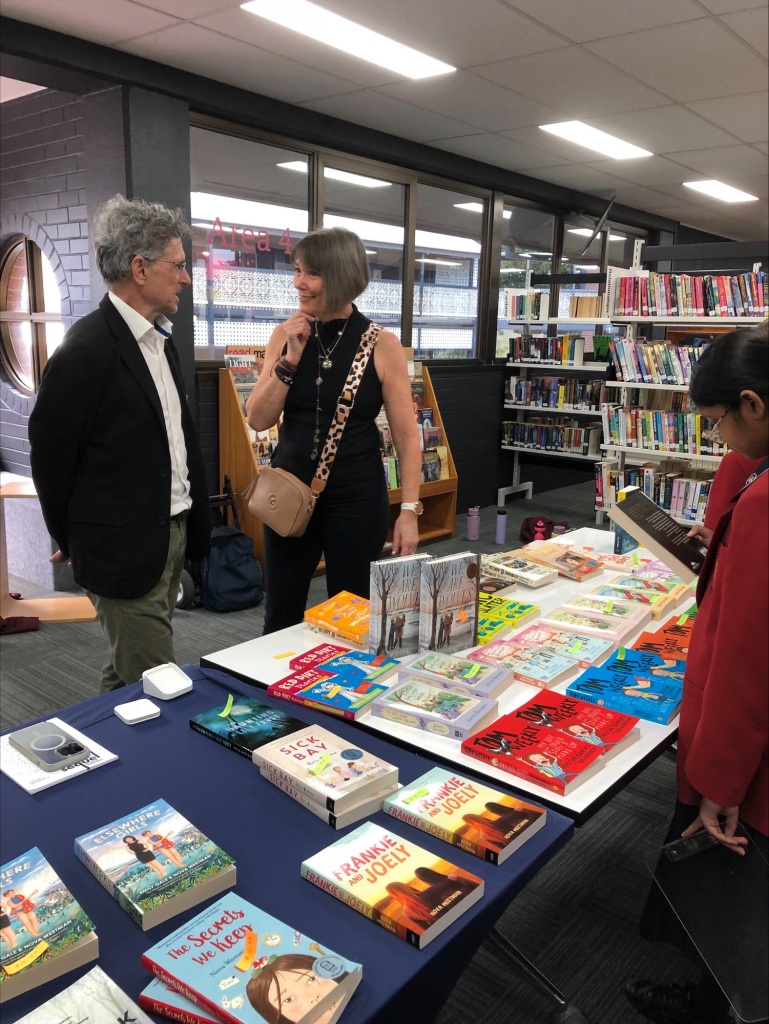
Twenty-four teams battled it out at Moreton Bay College for the Brisbane Bayside Yr 7/8 Readers Cup, and I was in the thick of it, firing off questions as Quiz Master.
Swear to the high heavens, I don’t know who was having more fun.
Probably me …
I’m still upset that Readers Cup didn’t exist in the dinosaur days of my youth when I could have read for Australia if they’d ever made it an Olympic Sport.
Instead I’ve had to settle for the vicarious pleasure of watching other voracious young readers devouring the stellar titles specially chosen for them by the Children’s Book Council of Australia.
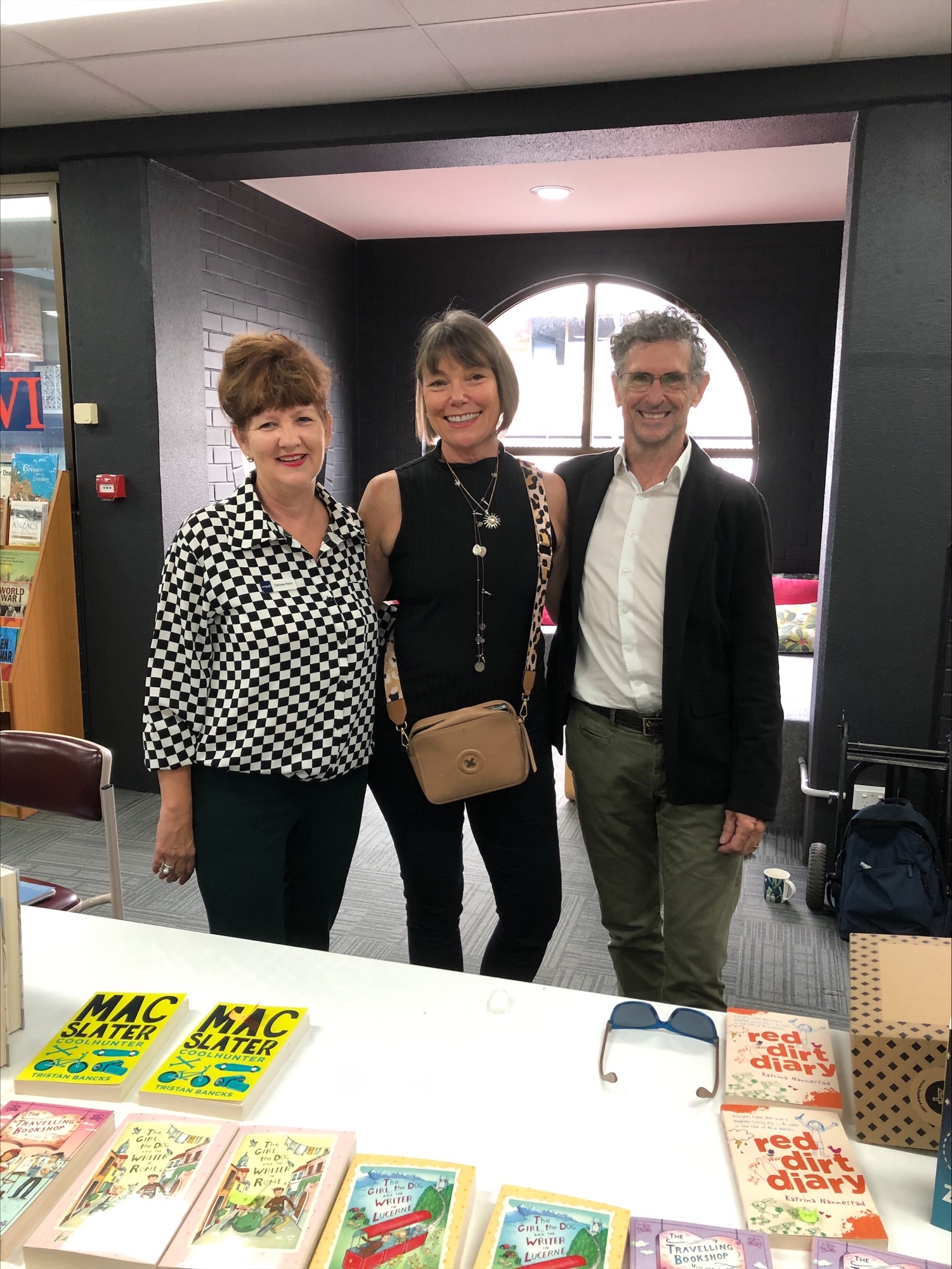
I will miss the enthusiasm of the amazing kids, teachers and librarians, as well as the passion of booksellers like Sequel Books who champion school events.
But the time has come for me to spread my wings and fly a little further from home.
So congratulations to ALL the readers out there, young and old – you are ALL winners in my book.
A huge thank you to Speakers Ink my amazing booking agent for the past 14 years. Please visit them, marvel at their range of extraordinary literary speakers and book one for your next literary event. https://www.speakers-ink.com.au/speakers
My Mum was born 92 years ago, the eldest child and only daughter of Harold and Ruby Jensen, farmers at Mondure in Queensland’s South Burnett region.
She was a shy child, but from her earliest years showed the true grit that would define her.
At the age of six, she rode her black pony Mona all by herself two miles to Keysland School to start Grade One.
When she fell off, she didn’t want her much-loved pony to get in trouble, so she climbed back on and didn’t tell a soul.
More than forty years later, a friend’s Dad spotted me at the Regatta Hotel in Brisbane and his eyes lit up in recognition.
“You’d have to be Sylvia Jensen’s daughter,” he said. “I went to school with your Mum at Keysland. She was the smartest kid in the school!”
Unfortunately Mum didn’t get the chance to pursue her studies.
In 1943 her parents moved the family to the Callide Valley. Biloela didn’t have a high school and Mum finished her schooling at Mt Murchison Primary.
She was the eldest, thirteen years old, and had to work on the farm. Her four younger brothers were eleven, seven, six and a new-born, and a fifth arrived three years later when Mum was sixteen.
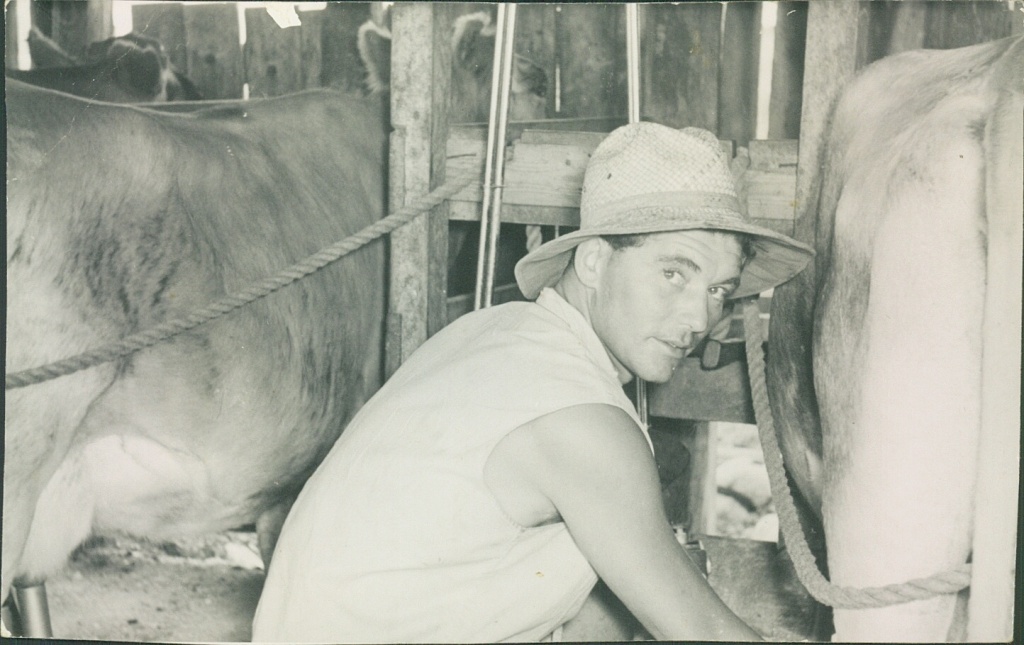
She often said she worked like a man in those early days on the dairy farm. Yet she made time to teach herself dress-making and became an accomplished seamstress.
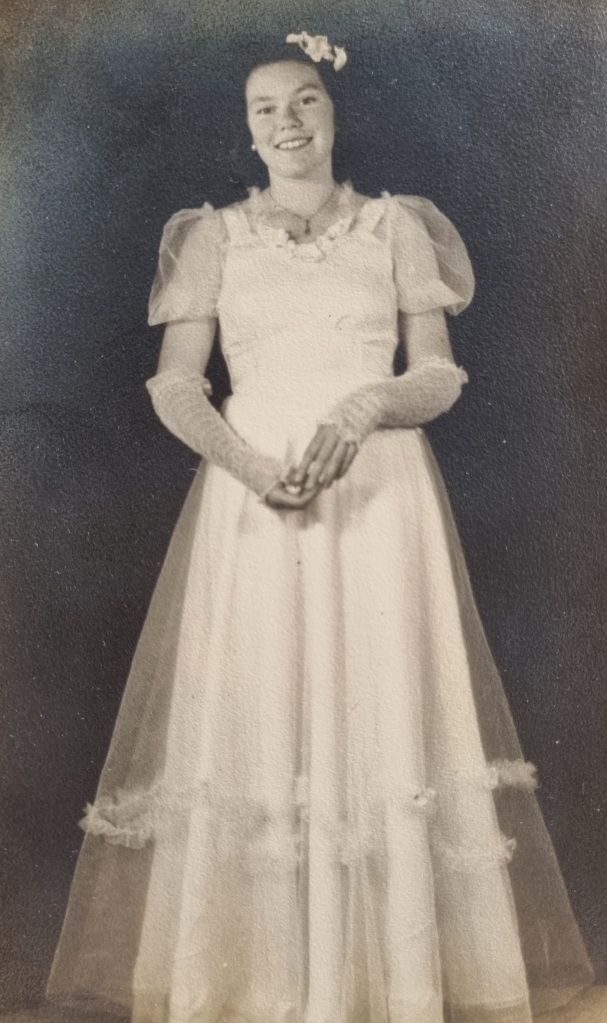
She sewed her own debutante’s gown and bridal dresses for local ladies.
By the time her younger brothers were old enough to work the farm, Mum had earned her stake in a little house in Biloela.
She loved dancing and tennis, fashion and travel. She ran a local dress shop and even managed to escape to the Whitsundays on a glamorous working holiday.
She was an elegant figure our Mum, long-legged and slim, clever yet shy.
It was inevitable that she would catch the eye of a handsome young Dutchman working hard to make his mark in a new country.
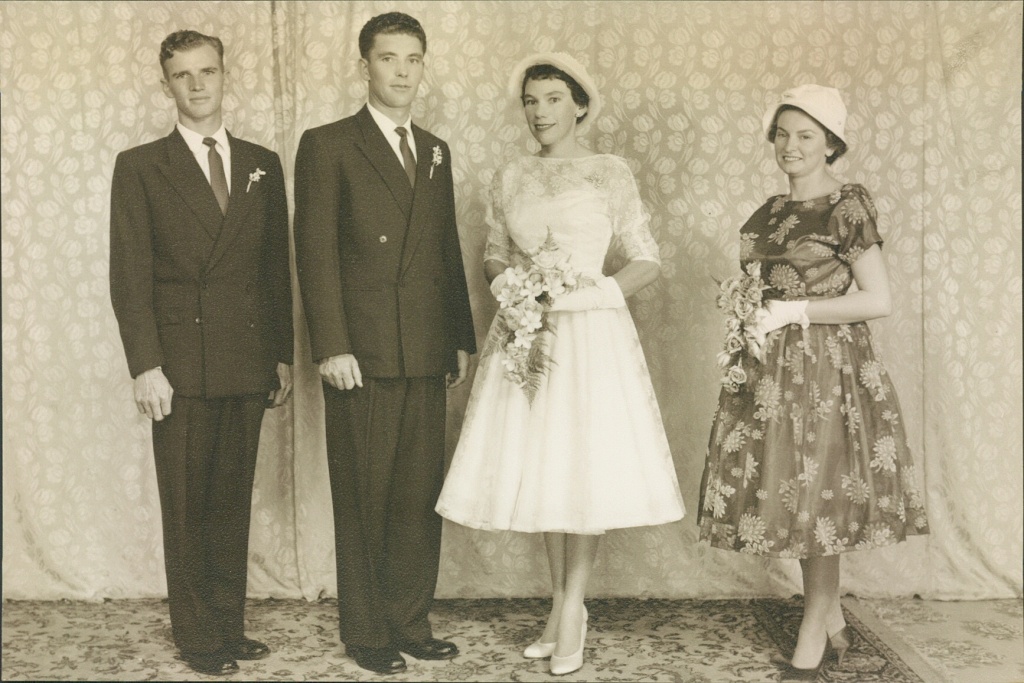
Theirs was a love match. Mum married my dad Ted Bongers in May 1959.
She sewed her own wedding gown and the dress worn by her Matron of Honour.
(Such was the quality of her work that the bridesmaid dress outlived her. Karen, one of her much-loved six daughters-in-law, wore it more than 63 years later at Mum’s funeral.)
Ted and Sylvia honeymooned in North Queensland, and the children came, thick and fast.
Twins, Tony and Peter, nine months and five days after the wedding. Me a year later. Mike two years after me. And the little twins, Rick and Tim, two years after that.
Six kids in five years.
And eight years later, Jason arrived to surpise us all when Mum was 42.
Mum was a legend, juggling babies in that little house in Biloela while Dad share-farmed 300 kilometres away at Springsure.
Juggling more babies in a house without electricity at their first farm out the back of Jambin.
And more babies again, back in Bilo when the eldest started school.
She was clever, our Mum, packing the big twins and me off to school before we turned five, so that she never had more than four preschoolers at home at once.
In 1967, Mum and Dad bought the farm at Jambin where my brothers Tony and Peter and their wives Bridget and Janelle still live.
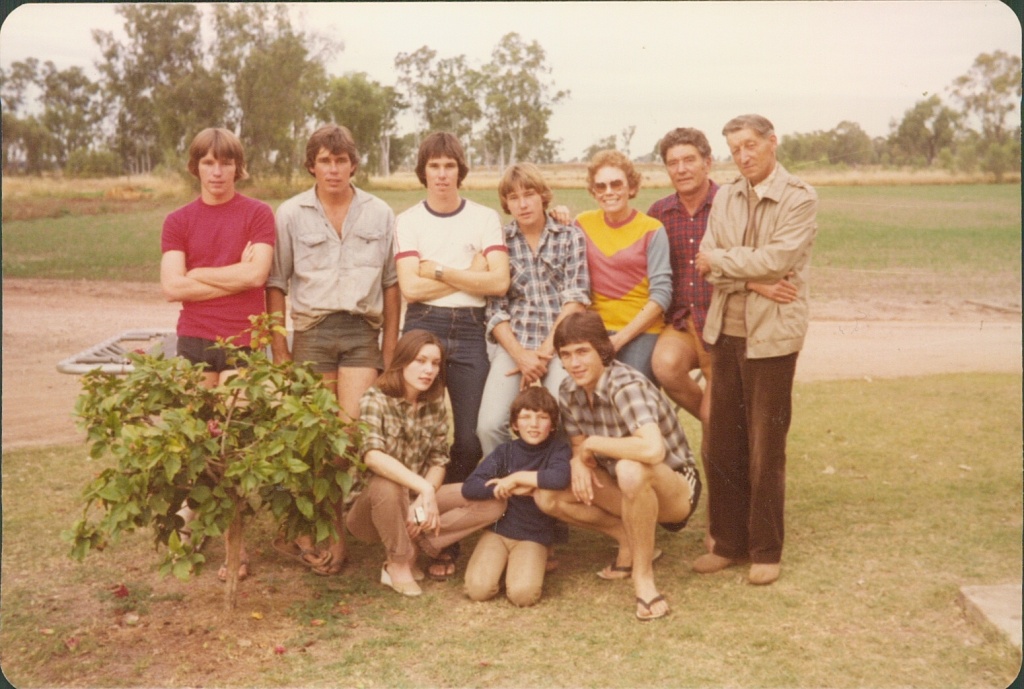
The tiny three bedroom home housed eight of us, with the five boys sharing a room.
In 1972, an extension added an activity room for us, a sewing room for Mum, two extra bedrooms and the luxury of our first indoor toilet.
Mum and Dad were a partnership, T&SR Bongers, but as kids we knew who was boss.
Dad put Mum on a pedestal, and if you wanted anything, it was always “Ask Mum”.
She showed love for her ravenous horde with freshly baked biscuits every day after school, puddings for dessert, six neatly packed school lunches on the bench every morning.
A piece of fruit, a meat sandwich for protein, and a jam sandwich to sweeten our day.
Little Rick had the sweetest tooth, and in a family of carnivores, he never had any trouble swopping his sandwiches for all jam.
For me, the only girl, she sewed her fingers to the bone.
Dresses and hotpants, a white satin Abba jumpsuit for 70s discos, and a red satin off-the-shoulder gown with a thigh-high split to make me queen of the prom.
Poor Mum. Dad often said I was more trouble than my six brothers put together.
I remember boldly announcing I was leaving school at 14 (I had secretly sat the Commonwealth Bank exam and had been offered a job starting immediately).
Mum’s hidden steel came out. “Over my dead body,” she said. “You are finishing high school, my girl.”
And I did.
I think we only truly understand how much our parents loved us when we have children of our own.
The night I had my daughter Clancy, I couldn’t rest until I had phoned Mum and apologised for my appalling behaviour as a teenager.
She laughed and said she’d waited a long time to hear that. (Twenty-two years at least, to my shame.)
When I left home to go to Uni, she told Dad she wanted to visit me in Brisbane.
He was busy on the farm and said the trip would have to wait.
So she packed up five year old Jason, caught a McCafferty’s bus at 4am and sat through a 14 hour bus ride via Toowoomba to Brisbane. Just to see me.
Mum was quiet, but determined, and nothing could change her mind once she set her heart on something.
She always loved a sea view, and in particular, the beaches where we had holidayed as children.
I remember phoning home from Europe in 1987 and discovering that Mum had packed up and moved house to Yeppoon.
She had bought Gadabouts Boutique, fulfilling a lifelong dream to own her own dress shop.
Yeppoon became Mum and Dad’s much-loved retirement home.
Mum indulged her loved of travel, dragging an often reluctant Dad to places far-flung … Egypt and the Holy Lands, Holland, the Kimberleys, Tasmania, the Ord River and more.
After Dad’s death twenty years ago, Mum stayed on in Yeppoon until health challenges forced her hand.
In 2009, she moved back to Bilo to be closer to family and her lifelong friends.
Hers was a long, productive and successful life, with seven happily-married children, twenty-four grandchildren and twelve great-grandchildren.
Family was everything to her. Being the matriarch of a large, close-knit family was her life’s work and her joy.
And as she grew frailer, it became her mainstay and support.
With family support, and the help of home carers, Mum was able to keep living at home until just before her 92nd birthday.
My Bilo-based brothers, Tony, Peter, Tim and Rick and their wonderful wives Bridget, Janelle, Leesa and Karen, were daily visitors, with Mike, Jason and I returning regularly to Bilo in Mum’s final months.
The devotion of my brothers and their wives to Mum was inspirational, and something I was proud to witness and be part of.
Following a fall in early October, Mum entered Wahroonga Aged Care, where she spent her final ten weeks bed-ridden with daily visits from family and friends.
Jason and I were with Mum the week before she died.
Mike and Moy spent precious days with her over Christmas.
Tony, Peter, Tim and Rick, with the unwavering support of their wives, mounted vigil in Mum’s final days.
She died at 11.20pm with Peter holding her hand, telling her that we all loved her, it was time to join Dad, Ma and Pop, and her brothers Eddie and Bevan.
She died, as she had lived, surrounded by the love of her family.
The Biloela church was full for her funeral, and a magpie serenaded her gravesite at Yeppoon where she was laid to rest next to her dearly-loved Ted.
Mum, I just want to say that you always led by example, and you taught us well.
I never wanted a dog. The kids begged for years but I held firm.
Dogs were too needy, too smelly, too sheddy. They were shameless about bodily functions in public. And had an unrealistic optimism about how much others enjoyed having their crotches sniffed, faces licked and legs dry-humped.
It took an intruder in my house, in my eleven-year-old daughter’s bedroom at midnight, to change my mind.
Then I wanted a dog. I wanted Cerberus, the three-headed monster that guarded the gates of Hell. I wanted a killer that would defend our children with his life, strike fear into the heart of any would-be intruder, then rip off his arms and legs, disembowel him, and eat the evidence.
That’s the dog we needed.
This is the dog we got…
Something so fearsome we named him Huggy.
Something so brave he lived in fear of the cat.
Something that smelled so bad (even for a dog), that I eventually asked the vet if there was something wrong with him. (Delicacy prevents me from going into his anal gland problem, but considering that his Daddy is a gastroenterologist, he was one faulty unit).
Yet he won me over. Greeting each day with unbridled enthusiasm. Pushing me aside to clean up the cat vomit (I’d scream in disgust, then point out if he’d missed a bit). Making me laugh a hundred times a day.
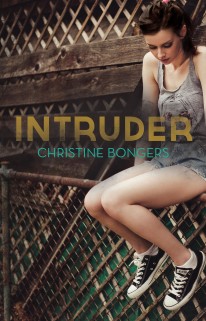
His antics inspired the character of Hercules in my novel Intruder (the best dog character ever if I don’t say so myself).
For ten years he slept on our front verandah and his ballsy baritone bark could be heard in Biloela if anyone dared to open the front gate.
Two years ago, I moved him inside at night, gave him a bed in my office (or should I say our office, because he had a fulltime job that he took very seriously – staring at me 24/7.
I got him for the kids, but it was my bed he’d jump onto every morning (but only on Daddy’s side, because they both tended to shed). We’d lie in companionable silence, then go for a morning walk, have breakfast and retire to the office and our respective jobs.
I didn’t want a dog. But for the last twelve-and-a-half years, I’ve had the best dog ever. And I’ve always felt sorry for my former clueless dogless self.
Then a week ago, Huggy refused to go for a walk. He wouldn’t take a treat. And when he lost interest in bacon, I knew.
The vet hospital said his liver was failing, and we would have to make a hard decision if he got any worse.
Instead Huggy took that decision out of our hands.
Yesterday, he took a walk in the garden. Lay on the grass, climbed the front steps, and got onto his bed. A few minutes later his big beautiful heart stopped pumping.
He spared us the pain of a slow dreadful decline. But there’s pain in spades now that our beautiful boy is gone.
We are all so grateful for all that he has given us. And to Wilston Vet for granting him precious extra time with us after his thyroid failed four-and-a-half years ago.
Our Huggy Bear died at home, surrounded by all that he loved. And he really was the best boy, right up till the end.
I try not to flinch every time someone says they are ‘bored of’ something.
Half my brain screams ‘Bored with: it’s tired of; bored with!’while the other half calmly reasons that language evolves. If young people unanimously decide to go with bored of, who am I to swim against the linguistic tide in my old-fashioned neck-to-knees swimsuit and flowered bathing cap?
And so I gamely dog-paddle on, chin up, through a rising tide of complaints, kids bored of this, bored of that, and try to focus on the real issue…
And that is the belief that being bored is somehow a bad thing.Something to be avoided at all costs. Or fended off with scheduled activities or screen time courtesy of the ubiquitous array of electronic boredom busters.
Lordy me, when did boredom become such a threat? Once upon a time, anyone with the temerity (or lack of imagination) to be…
An Open Letter to Karen Andrews the new Minister for Home Affairs
Dear Minister Andrews
I was born and bred in Biloela, and still have my Mum, brothers, nephews and nieces living in the area, so I know the challenges of carving out a life far from the comforts and conveniences of city and coastal living.
The heat melts your thongs in summer. The kitchen tap coughs up ice in winter. The nearest bookstore is more than an hour’s drive away. The picture theatre closed in the early seventies. The drive-in followed suit a decade later.
But this town of only 5,500 people offers two things in abundance: – the opportunity to work hard (at one of the state’s biggest meatworks or in jobs servicing the local power station, mining and agricultural industries); and – a deep and abiding sense of community.
For almost a century this has attracted successive waves of refugees to Biloela, starting with the Russians in the 1920s, and continuing after World War Two with Greek, Italian and Dutch immigrants including my own father.
Like Priya and Nades, they all came to Biloela in search of a better life, and those who demonstrated hard work and decency earned the respect of this small tight-knit community.
These are the people that Australia needs, and that the Biloela community desperately wants to keep.
I don’t see a queue of people lining up to move to our small inland communities. Priya and Nades and their Australian-born daughters want to make Biloela their permanent home. Please let them. Let them come home.
Show Australia that your government is capable of compassion for a hard-working and well-loved family who have already endured more than a thousand days in detention. Join the chorus of ordinary Australians who believe Biloela’s Tamil family have earned their right to stay.
As a kid, I loved reading Zane Grey westerns and Jack London adventures
I’d ride horses bareback and fight boys with sticks, then retire to my room with my uber-Barbie (the one with the swivel waist and the bendable knees).
I devoured Jane Eyre, Ann of Green Gables and Little Women with the same avid obsession as Reach for the Sky, the true story of Douglas Bader, the legless World War II fighter pilot.
In my dreams I was Black Canary from the Justice League of America comics, but it was Green Lantern’s motto that I would chant when alone:
In brightest day and blackest night
No evil Shall escape my sight
For those who worship evil’s might
Beware the power of Green Lantern’s light!
My childhood idols included Catwoman, the Lone Ranger, Emma Peel (for her lethal elegance) and Jane Russell (for her smart mouth).
Big shout out to bookstores everywhere, especially the independent stores that do so much to promote and support local authors, literacy and life as we know it.
Thank you for your tireless championing of all things literary, stocking ALL the best books, ALL the time, and ALWAYS giving the best advice on what to buy.
So, if you haven’t already done so, get yourselves down to a bookstore now, buy Dad that Father’s Day present (and a little cheeky something for yourself).
And have yourselves a happy Love Your Bookstore Day!
Here’s wishing a happy, heavenly birthday to a fallen hero of mine, the actor, producer and playwright, Bille Brown.
A decade older and long gone from Biloela State High by the time I got there, Bille was already treading the boards at the Royal Shakespeare Company by the time I finished high school.
But for kids like me from the bush, he was an inspiration. He opened up an endless world of possibility beyond the farm, the town, the obscure little corner of Queensland into which we had been born.
He allowed us all to dream big dreams and dare to believe that if we worked hard enough, we could make them come true.
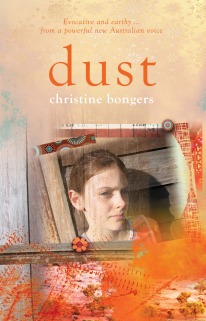
He made one of mine come true when he launched my first novel Dust – a kindness I will never forget.
The Big Director’s Chair – a memorial to actor/producer/playwright – Bille Brown AM.
I think of him, still, six years after his death. When I go home to Biloela, the town where we both grew up. And when I’m in Brisbane, my home for many decades now.
In Bilo, I often drive past the giant director’s chair dedicated to him in Lion’s Park.
If you bother to stop, you’ll find these words, so typical of the man, on the plaque:
“It should not just be a monument to me but an encouragement to others to pursue what they are good at and love doing.”
Bless. It is and does.
In Brisbane, I often drive past Queensland’s beautiful new Bille Brown Theatre. Next time you’re there, look for Row F Seat 34.
It’s a much smaller chair, but one also dedicated to Bille Brown’s memory.
After nine years as a novelist, bad reviews still hit me in the gut, but the good ones, man, they really really touch my heart.
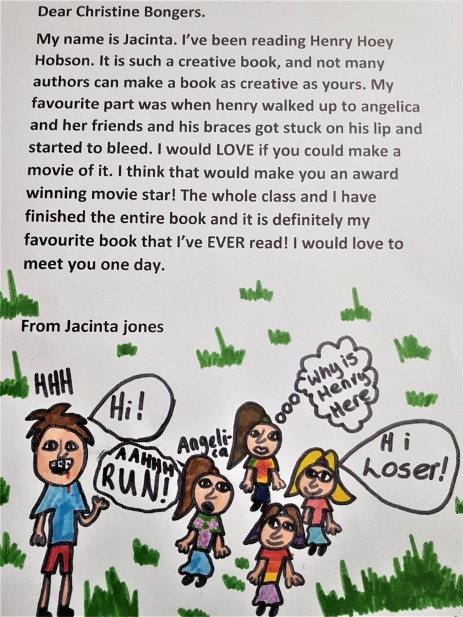
This week, I was privileged to receive twenty-six letters from the Soldiers Point Public School on the NSW Central coast that were the best early Christmas present a writer could ask for.
The first, from Assistant Principal Rachel Wagland, was full of heart, reminding me, once again, why I love writing for young people.
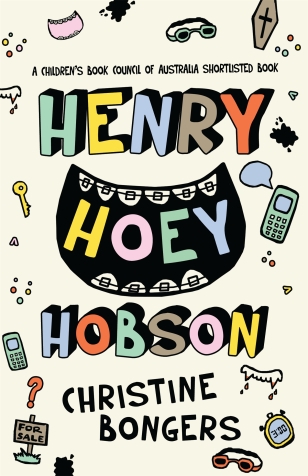
“This is now the fourth time I have used your novel Henry Hoey Hobson as part of my English unit and I cannot express enough the pure enjoyment that both myself and the students get from reading it.”
“If only I had a camera on the children at times when reading parts of the book. They were often on their knees in anticipation or constantly begging for more to be read at the end of each chapter. It is simply my favourite book and that is saying something considering my obsession with Harry Potter.”
Thanks Rachel, that made me laugh! But by the end of the letter, I found myself in tears:
There are a few children that have difficult home lives in my class and the connections they made with Henry were heart-warming. I think also they really loved the ‘happy ending’ so to speak. There is enough sadness in the world and your story was incredibly uplifting … I have yet to find such a quality book that matches Henry Hoey Hobson to read to my Stage Three children and apart from ‘The Secret Garden’ it has been the only book that on finishing the reading, the children stood up and applauded.
It is incredibly humbling to hear such feedback from the very people for whom I wrote this book: kids who’ve made it through tough times; teachers who care and want to build literacy, resilience and life skills in their classrooms.
I have written back, of course, and the children were ‘stoked’ to hear that their letters would feature on my website.
Seriously though I hope you enjoy my early Christmas present as much as I did.
I do a lot of school visits and would love to visit Soldier’s Point to thank them in person for being part of Team Triple H. The nine-hour drive from Brisbane makes it a bit tricky, but thanks anyway Year 4/5 for the generous offers of a spare bunk if I’m ever down your way! (Until then we’ll just have to settle for facetiming.)
Merry Christmas everyone and may the unexpected gifts of the season bring delight and wonder to you all.
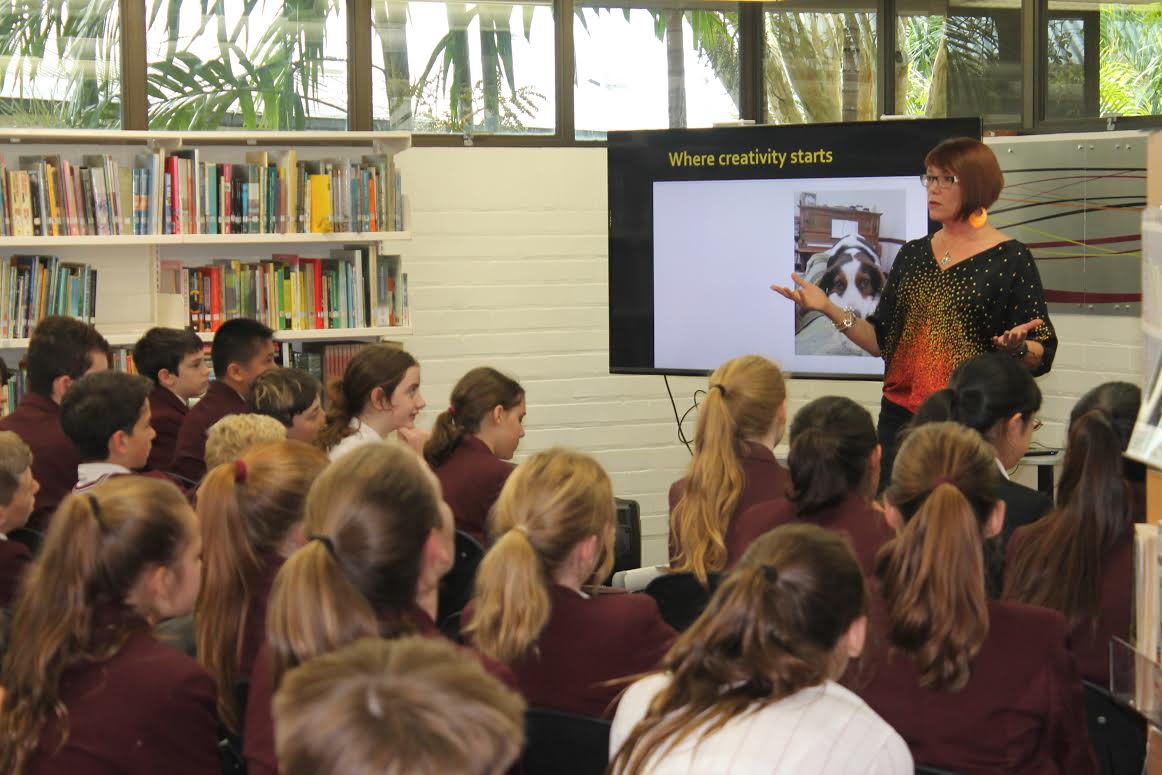
Inaugural St Finbarr’s LitFest with Authors Michael Gerard Bauer, Josie Montano, Sheryl Gwyther, Librarian Dominique Gardiner, Children’s Laureate Morris Gleitzman and me!
Call me biased, but little schools are a constant source of inspiration in my book.
My old alma mater, tiny Jambin State School, located in the parched heart of 1970s Queensland, was the setting for my first novel Dust.
St Ambrose’s, the little neighbourhood school at the end of the street I moved into twenty years ago, inspired Perpetual Suckers, the school setting for my second novel Henry Hoey Hobson.
And today, it was St Finbarr’s at Ashgrove, a small community with a big heart, inspiring me all over again with its inaugural Literature Festival.
Hats off to uber-librarian Dominique Gardiner, Principal Anne Hall and St Finbarr’s P&F, for pulling off a literature festival that punches above its weight.
The all-star lineup included Australian Children’s Laureate Morris Gleitzman, and four local authors: St Finbarr’s old-boy and Book-of-the-Year-Winner Michael Gerard Bauer; Josie Montano; Sheryl Gwyther and moi.
’twas a great way to cap off this year’s Book Week celebrations – and if you don’t believe me, tune into Channel 9 News on 4 September for their take on this little school with a big love of all things literary. 🙂
















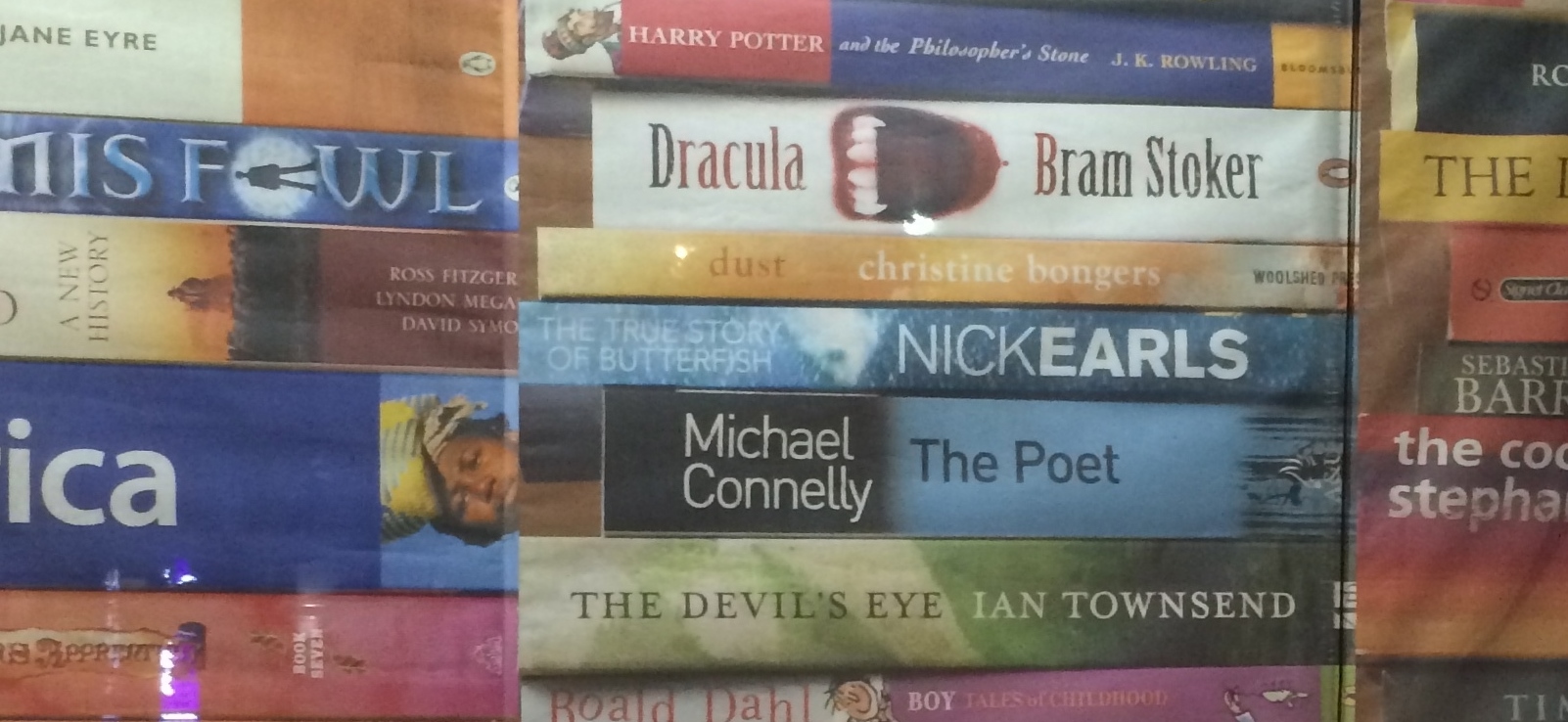
 For instance, I would NEVER have thought of buying a book called
 He allowed us all to dream big dreams and dare to believe that if we worked hard enough, we could make them come true.

 After nine years as a novelist, bad reviews still hit me in the gut, but the good ones, man, they really really touch my heart.
 It is incredibly humbling to hear such feedback from the very people for whom I wrote this book: kids who’ve made it through tough times; teachers who care and want to build literacy, resilience and life skills in their classrooms.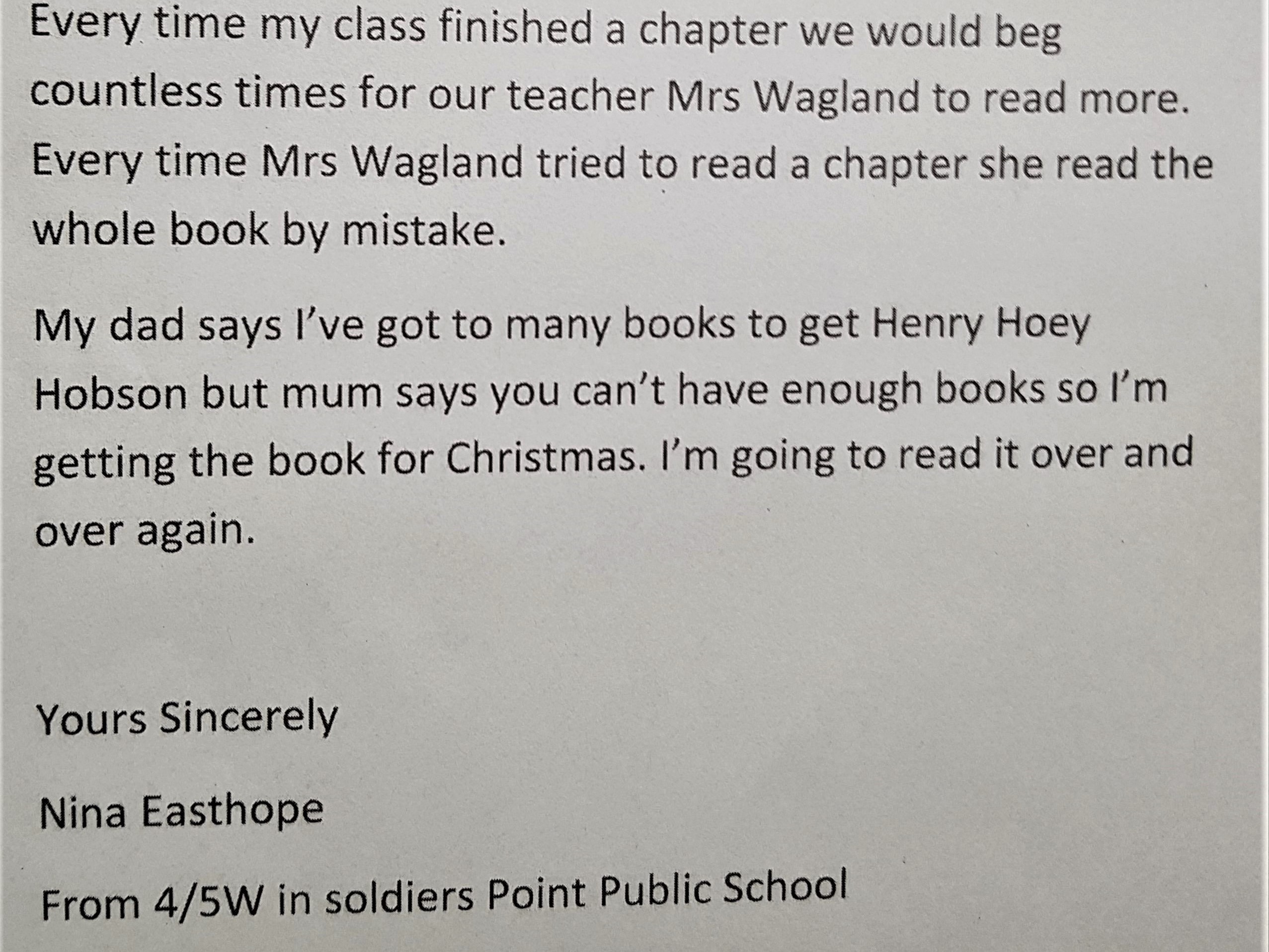

 And today, it was St Finbarr’s at Ashgrove, a small community with a big heart, inspiring me all over again with its inaugural Literature Festival.
 Christine Bongers